Three stories stand out for anglers and visitors planning a Costa Rica trip. At a national sportfishing conference in early November, researchers shared satellite tag data on how marlin and sailfish travel and how fast they recover after release. The meeting also took up the debate over fish aggregating devices. Separately, Costa Rica's tourism board and the country's tourism chambers warn that airfares could rise by more than 20% and that seats into San José's airport could fall by as much as 21% through August 2027. And a Universidad Nacional survey finds that Costa Ricans see crime as tourism's biggest problem, while many say rising prices are pushing locals out of tourist towns.
Satellite tags track marlin and sailfish after release
New satellite tracking results on billfish were among the main topics at the third annual La Alfombra Azul conference, The Tico Times reported on November 16. The Costa Rican Federation of Tourist Fishing (FECOP) hosted the conference on November 6. Nearly 200 people attended.
Researchers from the Guy Harvey Foundation presented an ongoing Eastern Tropical Pacific program that uses satellite tags and sensors to monitor billfish. Key figures from the report:
- 106 fish tagged so far: 46 black marlin, 30 blue marlin and 30 sailfish.
- Blue marlin generally covered greater distances. Black marlin tended to stay closer to shore.
- Average recovery time after release was 8.9 hours for blue marlin and 4.9 hours for sailfish, based on movement sensors.
The outlet said the recovery data could help identify catch-and-release practices that reduce stress on fish.
The conference also tackled fish aggregating devices (FADs), known locally as plantados. Costa Rica restricts them under measures involving the Constitutional Chamber, the Ministry of Public Works and Transport and INCOPESCA. Panama is testing them in recreational fishing through a three-year pilot. A technical study by regulatory specialist Hannia Vega asked whether Costa Rica could regulate recreational FAD use separately from other fishing. FECOP said 60% of the experts interviewed raised concerns about fishing pressure and conflicts between users. Half saw possible benefits, such as a longer fishing season.
The outlet also cited records from 45 tournaments at Marina Pez Vela in Quepos, held between 2013 and 2026, showing that more than 93% of recorded fish were released. FECOP is promoting a U.S. Embassy-funded strategic roadmap for the sector. Damián Martínez Fernández, FECOP's director of conservation and public policy, said: "Sport fishing needs to participate actively in decisions that affect its future."
Airfares projected to rise as seats into San José shrink
The Tico Times reported on November 22 that the Costa Rican Tourism Institute (ICT) projects fares on most routes into the country will rise by more than 20%, with prices climbing through 2027 as airlines cut seats. The ICT blames oil price swings and airline adjustments. It estimates that the country could end 2026 with 15% fewer airline seats from the United States, its biggest source of visitors. ICT Executive President Marcos Vargas presented the study to tourism leaders on October 23.
Q Costa Rica, citing El Observador, reported that Hans Pfister, president of the ecotourism chamber Canaeco, said seats into Juan Santamaría International Airport (SJO) could fall by as much as 21% between October 2026 and August 2027. Shirley Calvo, executive director of the tourism chamber Canatur, backed his account and put the cut at Liberia's airport at 3%. Q Costa Rica stressed these are industry figures, not a published ICT forecast, and the ICT had not answered El Observador's request for comment. Reasons cited include fuel costs, the shutdown of Spirit Airlines (about 95,000 seats, per the Tico Times) and route cuts by American Airlines and JetBlue.
Arrival figures already show the strain:
- Air arrivals fell 1.9% in October from a year earlier. It was the third monthly decline in a row.
- SJO received 90,728 tourists in October, down 8%. It was the airport's seventh straight month of year-on-year declines.
- Liberia received 36,127 arrivals, up 17.4%.
- 65,071 U.S. visitors arrived in October, down 3.6%.
Q Costa Rica noted that SJO is the gateway to the central and southern Pacific, where Los Sueños is located. According to the Tico Times, fewer seats on major U.S. routes generally mean fewer date options and fewer last-minute deals in the busiest weeks.
Survey: Costa Ricans rank crime as tourism's top problem
Nearly seven in 10 people in Costa Rica believe rising prices in tourist areas have forced local residents to leave, The Tico Times reported on November 21. The figures come from the National Survey on Tourism in Costa Rica 2026, conducted by Idespo, the social studies institute at the Universidad Nacional (UNA). Idespo interviewed 899 adults by cell phone from June 3 to 11. The sample included Costa Ricans and foreigners who have lived in the country for at least two years, and the margin of error is 3.3 percentage points.
Asked to name tourism's main problems, respondents ranked them as follows:
- Crime and insecurity: 37.7%
- Cost of travel: 17.6%
- Decline of San José and the greater metropolitan area: 10.2%
- Road conditions: 8.2%
- Pollution: 6.5%
According to the outlet, these results stand in contrast to an international risk map released the same week, which ranked Costa Rica among the 10 safest countries to visit in 2027.
Other findings point to tension in tourism towns. Some 68.6% said higher prices often displace residents in tourist areas, and 71.4% said luxury housing is prioritized over affordable homes. Another 60.3% said tourism grows without regard for local communities' views, and 41.7% said hotel and residential development has worsened basic public services. Costa Ricans still travel at home: 69.8% had taken a domestic trip in the past two years. Guanacaste was the favorite destination at 45.6%, followed by Puntarenas at 19.2%, and beaches were the main draw. The researchers named three priorities: narrowing the gap between what domestic and foreign tourists are offered, strengthening environmental oversight, and giving communities a real voice in local development decisions.
For conditions on the water at Los Sueños, see our latest fishing reports or contact us to plan your trip.
Sources
- Satellite Tracking Reveals New Findings on Marlin and Sailfish in Costa Rica — The Tico Times, November 16, 2026
- Flights to Costa Rica Could Cost 20% More as Tourism Board Blames Fuel for Seat Cuts — The Tico Times, November 22, 2026
- Airlines May Cut Seats to Costa Rica's Main Airport by Up to 21%, Tourism Groups Warn — Q Costa Rica, 2026-11-24
- Nearly 7 in 10 in Costa Rica Say Tourism Prices Are Driving Locals Out — The Tico Times, November 21, 2026
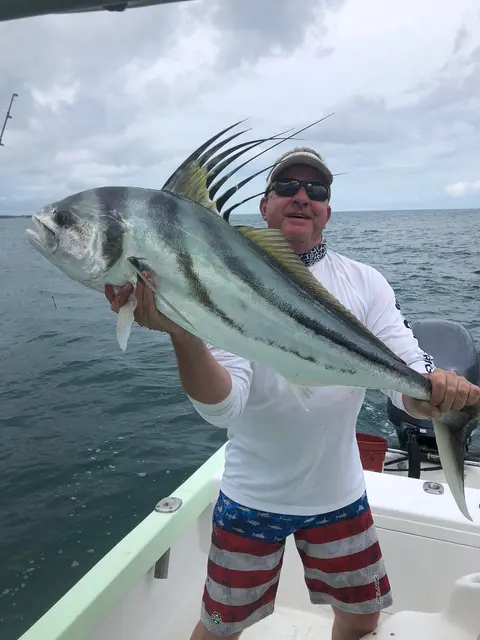
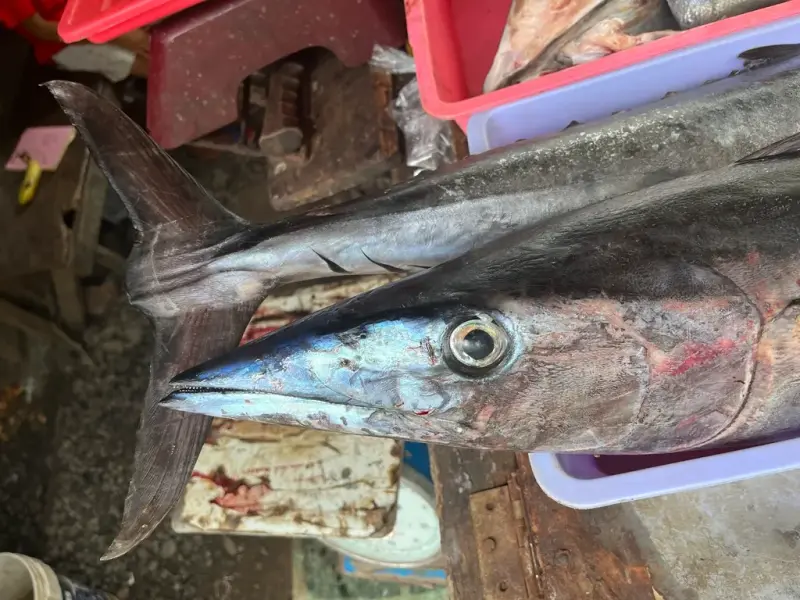
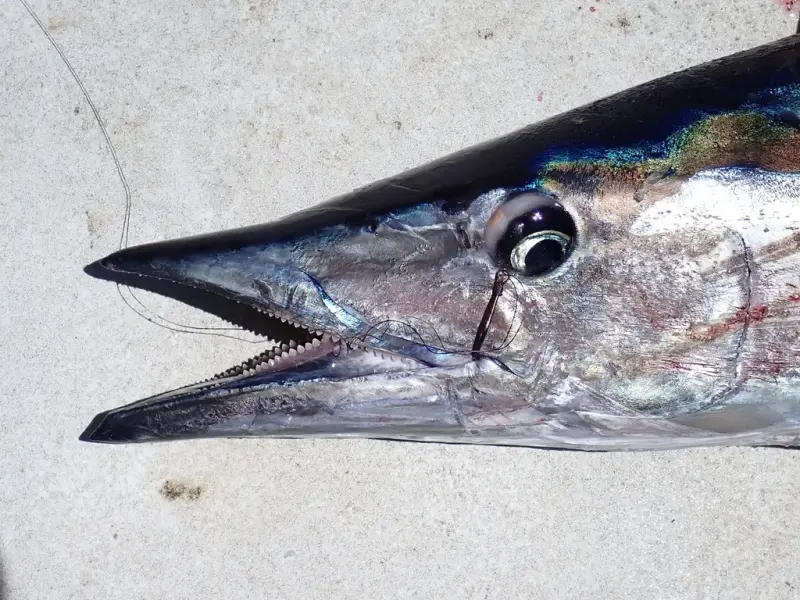
Photo from our gallery (wahoo); illustrative, not a photo of this story.